





 Log In
 Late Payment Fee: How to Charge Late Fees on an Invoice

If you’re like most small businesses, sending late payment reminders isn’t exactly how you want to spend your day. But the fact is, it’s a must. Late payments can quickly become a big problem for small businesses and freelancers who rely on prompt compensation to maintain a steady cash flow and pay the bills.
The good news? There’s a simple way to receive funds on time: late payment fees.
FreshBooks research suggests that including a late fee or interest penalty term is one of the most effective ways to encourage clients to pay when they’re supposed to. Case in point: 92% of invoices are paid when they include the term “interest” in the invoice payment terms.
Keep reading to learn more about late fees, including: how and when to charge them, when they’re a good idea and when they’re not, how to calculate them on an invoice, and more.
Table of Contents
- What are late fees?
- How do late payment fees work?
- What is a reasonable late payment fee?
- When charging late payment fees can be a good idea
- When charging late payment fees can be a bad idea
- How to charge late fees on an invoice
- How much can I charge for late fees?
- How to prevent the need for late fees
- Get paid on time with invoicing software
- Late payment fees FAQs
What are late fees?
Late fees are a type of penalty added to your clients’ unpaid invoices. It’s usually a fee indicated in your payment terms. As long as you communicate any potential fees at the beginning, you can usually add late fees to unpaid bills at your discretion.
While there are some laws around the amount you can charge, the other details are entirely up to you. You can decide whether to offer a grace period for first-time late payments, if you charge a flat fee or a recurring percentage fee, and how your overall late fee payment process will work.

How do late payment fees work?
Late payment fees are typically applied as follows:
- When a customer or client misses the payment due date on their invoice, a late payment fee is applied to the outstanding balance.
- Unlike interest charges that compound over time, late payment fees are typically added once for each billing period that the payment remains overdue.
There are two main types of payment charges you can choose: flat fees and percentage fees.
- Flat fees: This is a set dollar amount, usually between $25 and $50 when a payment is overdue. Flat fees don’t compound, but they can be charged again (and again) if the invoice stays unpaid.
- Percentage fees: A percentage fee is based on the invoice total. For example, a 5% late fee on a $2,000 invoice equals $100. These types of late payment fees typically don’t compound either. Instead, if payment is still late in the next cycle, the same percentage applies again to the original amount and then added to the overdue balance.
No matter what late payment fee you decide to charge, make sure it’s clearly outlined in your written agreement before work begins. It also needs to follow your state’s regulations to be legally enforceable.
You can typically charge multiple late fees as long as:
- they follow state law and/or regulatory practices.
- your agreement with the client makes them clear.
- the invoices outline the terms.
What is a reasonable late payment fee?
In most cases, a low, percentage-based late fee is used when a payment is overdue on an invoice. Late fee payments usually range from 1% to 2% of the outstanding payment per month, so staying near that range is a reasonable approach.
Of course, some industries work differently and may have higher monthly rates or varied requirements. For example, a wedding photographer might charge $5,000 for their shoot and deliverables. In this case, a flat fee late payment of $25 wouldn’t make much sense. Instead, a percentage fee would be much more reasonable.
For a landlord or property manager, there may be even more considerations to make before charging a fee. These can include how late the payment is and whether or not their state requires a grace period (the number of days after rent is due during which a tenant can pay without incurring a late fee or penalty).
Another thing to bear in mind? Location. Most countries and American states have laws governing two areas: the maximum amount for invoice late payment fees and the circumstances under which those late fees can be enforced. Take the time to understand what laws apply to you to ensure you don’t get in legal trouble by mistake when requesting overdue payments from clients and customers.
Bottom line: Always research your industry and late payment legalities before deciding how to structure payment fees.
How to calculate late payment fees on an invoice
Calculating a late payment fee starts with following the policy you’ve outlined in your communications.
Here’s an example.
You run a bespoke jewelry company and received a large order for stock. For this size of order, your late payment fee policy is outlined in your contract at 2% per month. This month, you need to apply that fee to the $5,000 invoice for stock that’s now overdue.
Here’s what you’ll do:
- Calculate the late payment fee with this formula: $5,000 x 2% = $110
- Add that late payment fee to your invoice: $5,000 + $110 = $5,410
- This updated amount will be the new invoice total.
When charging late payment fees can be a good idea
There are many times when charging an overdue payment fee makes sense, other than when you’re encouraging clients to pay on time. Below are a few common situations where applying a late payment fee is appropriate.
You need money ASAP
Cash flow is an absolute necessity to cover your daily business expenses. One way to keep cash flowing is by charging a late payment fee as an added incentive to get clients to pay up sooner.
In a perfect world, clients would pay on time, every time. But the mere idea of late payment fees might motivate clients to pay you as soon as they can, or at least communicate with you if they’re unable to.
When the first reminder goes unnoticed
We all get busy sometimes, clients included. If a payment slips through the cracks, a late fee can serve as a gentle reminder to help keep future payments on schedule.
When your grace period ends
Some businesses offer a short grace period before applying late fees. For example, if your payment terms are 30 days, you might give clients 5 extra business days before the fee applies. Once that grace period ends, the late fee acts as a friendly nudge to help keep payments on schedule.
It establishes you as a serious professional
While you always want to stay friendly with your clients, not including a late fee policy can give the perception that you’re lax and that not paying by the due date is okay.
You get paid before other contractors do
When it comes to getting paid on time, sometimes you’ve got to bring out your MVPs: stricter fees. Because chances are, if clients aren’t paying you by the due date, they’re doing the same to other contractors. A stricter late payment fee can help move you to the top of the pile.
When charging late payment fees can be a bad idea
There’s a time and place for everything, and charging a late payment fee is no exception. Below are a few situations where it might be better to hold off.
When invoices are actively disputed
If there’s any confusion or disagreement about the work or amount owed, it’s best to sort that out together before adding any fees.
When you don’t inform customers about the fee upfront
Do you like payment surprises? Neither do your clients. That’s why late fees should always be communicated clearly in your contract or invoice terms.
Long-standing clients and strong relationships
When you have a solid relationship with a client who usually pays on time, a late payment fee might do more harm than good. In these types of cases, a gentle nudge can be more effective for keeping things on track.
When the delay is reasonable (and communicated)
You know how the saying goes: life happens. And when it does, payments might be late. In scenarios where this is the case (unforeseen circumstances and/or valid reasons), a little grace can go a long way.
How to charge late fees on an invoice
Charging late fees encourages clients to get in the habit of paying their invoices on time. Here’s a step-by-step guide to charging late fees for your small business:
1. Do your research
Before you dive in and start charging clients late fees on their invoices, it’s crucial that you do your research. Find out how much you can legally charge for a late payment or an interest rate to avoid legal issues. Maximum late fees may vary from state to state, so be sure to confirm yours before you charge.
Tip: If you have a local network of contacts who run businesses similar to yours, you can ask around to see what others charge for late fees to determine the going rate in your area.
2. Notify clients ahead of time
Once you’ve determined how much you’ll charge in late fees, give your clients a heads-up about the upcoming changes to your billing policy. You can do this by email, phone, or in person, but it’s essential that you have a discussion with each client before they sign a contract, and allow them to ask questions so they aren’t caught off guard the next time they receive an invoice. It’s also best to document this in writing.
3. Add your late policy to your invoice payments
Add the details of your late fee policy to your invoices in the payment terms section of the document. Make sure the section is easy to read, and keep your terms simple and brief.
For example, your payment terms could read: “Thank you for your business. Payment is due within 30 days. Please be aware that we will charge a 1.5% late payment per month on late invoices.”
4. Include your late fee policy on new contracts
It’s a good idea to write your late fee policy into all new contracts you sign with clients. Because a contract is legally binding, it’s important to clearly state your late fee terms within the contract. Including your late fee terms in your contracts also ensures clients know the policy before any work begins on a new project.
5. Ensure due dates are visible
Set yourself up for timely payments by making sure your invoices clearly convey all the information clients need to pay you on time. Your payment deadlines should be easy to see on your invoices. You can make them stand out by using a larger, bolder font or a different font color.
Using invoicing platforms, like FreshBooks, can help make due dates and payment terms clear every time.
6. Send invoices promptly
As soon as you complete a project, create an invoice and send it to the client along with the final work. Sending the invoice when the job is fresh increases the likelihood that your client will process the payment right away—meaning you’ll get paid faster.
After you’ve sent the invoice, set a reminder for the due date so you can follow up immediately if the invoice isn’t paid. If you use a cloud-based accounting solution, it can automatically notify you when invoices are past due.
7. Follow up immediately on late payments
If you haven’t been paid, follow up with the client on the payment due date. Write a brief, polite email that does the following:
- reminds the client that payment is now due.
- references the invoice number.
- outlines the amount owing.
- reminds the client of your late fee terms.
- has the original invoice attached for reference.
With small business software, like FreshBooks, you can even set up automatic payment reminders to nudge clients with overdue invoices.
8. Send a revised invoice
If your client fails to pay, you can start charging late fees. After 30 days, if your software doesn’t automatically add late fees, send a revised invoice that includes your late fees for the month.
Include a note in your accompanying email acknowledging this is a second notice and that the payment is now 30 days overdue. Follow up with the client by phone or email until you’ve received or confirmed a payment plan.
9. If necessary, escalate the issue
If you’ve followed up diligently with the client and still haven’t secured payment for your services, you may decide to escalate the issue and explore other options. You can hire a lawyer to get legal advice and send a formal demand letter requesting payment. You can also look into options, such as filing with a collection agency or taking the client to small claims court.
How much can I charge for late fees?
The amount you can charge for late fees may depend on the state you live in because maximum interest rates and late payment fees are typically governed at the state level.
It’s important to get to know the laws in your state and area. But a common approach to late fees among freelancers and service-based, small business owners is to charge a 1.5% fee per month on unpaid invoices.
Legal considerations
When determining your late payment fee amount, be sure to consider what’s legal where you operate. Here are a few tips to keep you in check:
Know the federal rules: If you’re dealing with consumer debts, review the Fair Debt Collection Practices Act to stay compliant.
- Check your state’s rules: Make sure you know the maximum late fee you’re allowed to charge. The chart below outlines a few states and their rules.
- Look into grace period requirements: For example, some states require a certain number of days before you can apply a late fee.
- Double-check your fee structure: Be sure your late fees follow late payment fee requirements and state usury laws (which limit interest on loans) to stay within legal limits.
- Keep it fair: Fees should cover the inconvenience of late payment, not serve as a punishment.
Get paid on time with invoicing software
As a freelancer or small business owner, your time is valuable. But when it’s spent on chasing down overdue payments, it means you’re not doing the work you should be: building your business. Fortunately, there are easy ways to keep you (and your cash flow) on track: invoicing with FreshBooks.
Invoicing software and invoice templates are essential tools for keeping organized and preventing the need for late payment fees. Templates provide a clean, professional-looking invoice with all the information ready to be filled in. You can easily track payment due dates and late payments. And you can even send payment reminder messages automatically.
Don’t let late payments get the best of you, your business, or your customer relationships. Use FreshBooks to simplify the invoicing and late fee process, and help clients pay quickly and your business run smoothly.
Learn more about FreshBooks invoicing tools and try for free before your next invoice goes out.

Late payment fees FAQs
How do you charge late fees on unpaid invoices?
The most important thing when creating your late payment policy is client communication. In addition to including the policy in your statement of work or contract, add it to your original invoice. Late payments can then be subject to late fees.
What is the highest late fee allowed by law?
The maximum late fee allowed by law depends on the state you operate in. Some states have no maximums, while others have a cap on how much you can charge in late fees. It’s common for small businesses to charge 1-2% per month for late payments.
What’s the difference between a late fee and a penalty?
A late fee and an outstanding payment penalty are the same. When creating your own late payment policy, keep the language consistent about your invoice late fee. The wording is important in work agreements, so be as clear as possible.
Are late payment fees legal?
Late payment fees are usually legal when clearly stated in your contract or invoice terms. Provided your client agrees to your late payment charges and terms ahead of time, you can usually charge a late fee on past due invoices but be sure to double check any laws or requirements in your area and industry.
What should I do if a customer refuses to pay a late fee?
As long as your late fee policy is clear in your contract and communicated before work starts, clients are contractually obligated to pay it. If they don’t, you may be able to take legal steps to recover the money. This can help you get paid, but could also hurt the relationship.
What are the alternatives to charging late fees?
Avoid late fees altogether by encouraging timely payments through perks and alternatives like:
- sending automated payment terms and reminders
- early payment discounts
- requesting a deposit
- offering online payment and/or the option for milestone payments
RELATED ARTICLES
 How to Price Web Design Services
 How to Send an Invoice
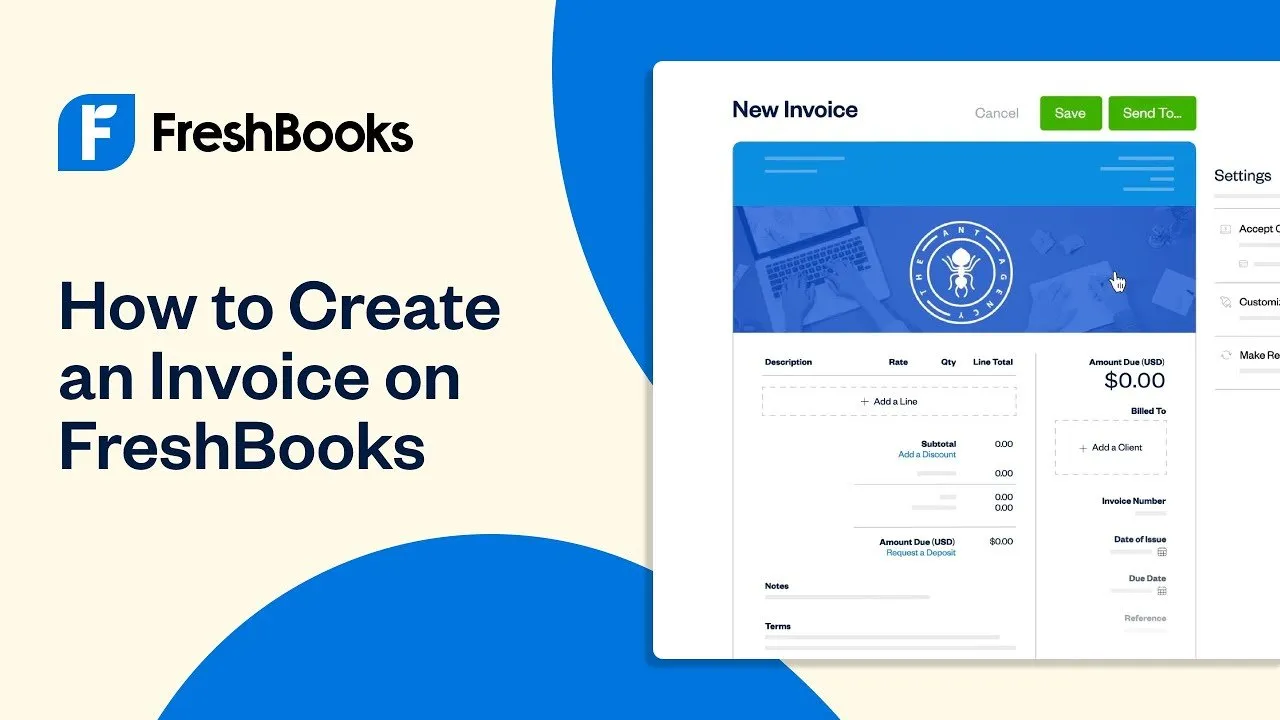 How to Create an Invoice
 How To Create An Invoice in Google Docs
 Billing System: What It Is, How to Set Up, and Top Software